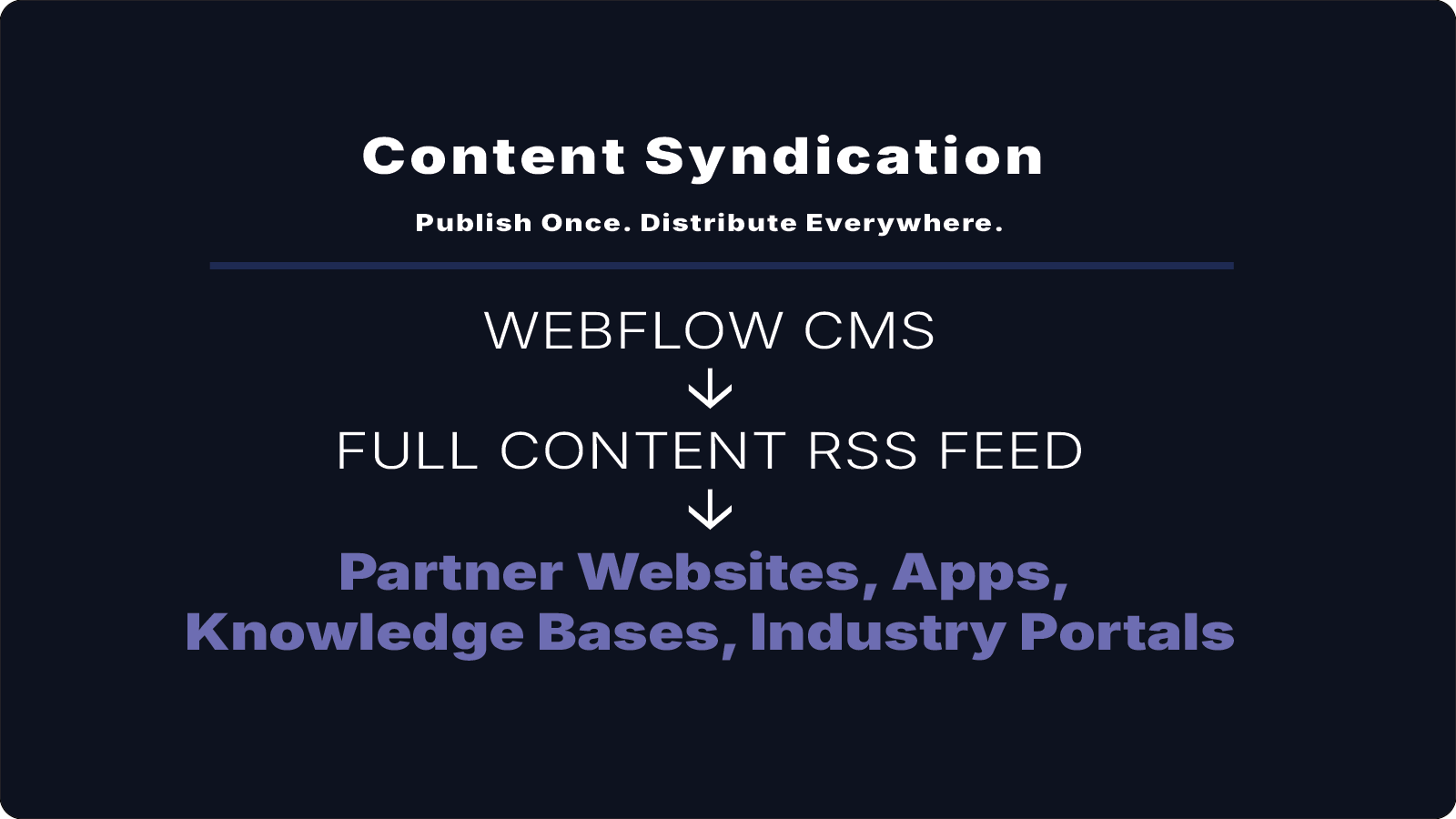
Many organizations publish valuable content in Webflow, but publishing an article is often only the first step.
That same content may need to appear on partner websites, industry portals, mobile applications, newsletters, internal company systems, or content aggregators.
The goal of content syndication is simple:
Publish once. Distribute everywhere.
RSS feeds are one of the most common ways to make that happen.
What Is Content Syndication?
Content syndication is the process of distributing content beyond the website where it was originally published.
For example, a company might publish an article in Webflow and automatically make it available to:
- Partner websites
- Industry news portals
- Mobile apps
- Internal company systems
- Content aggregators
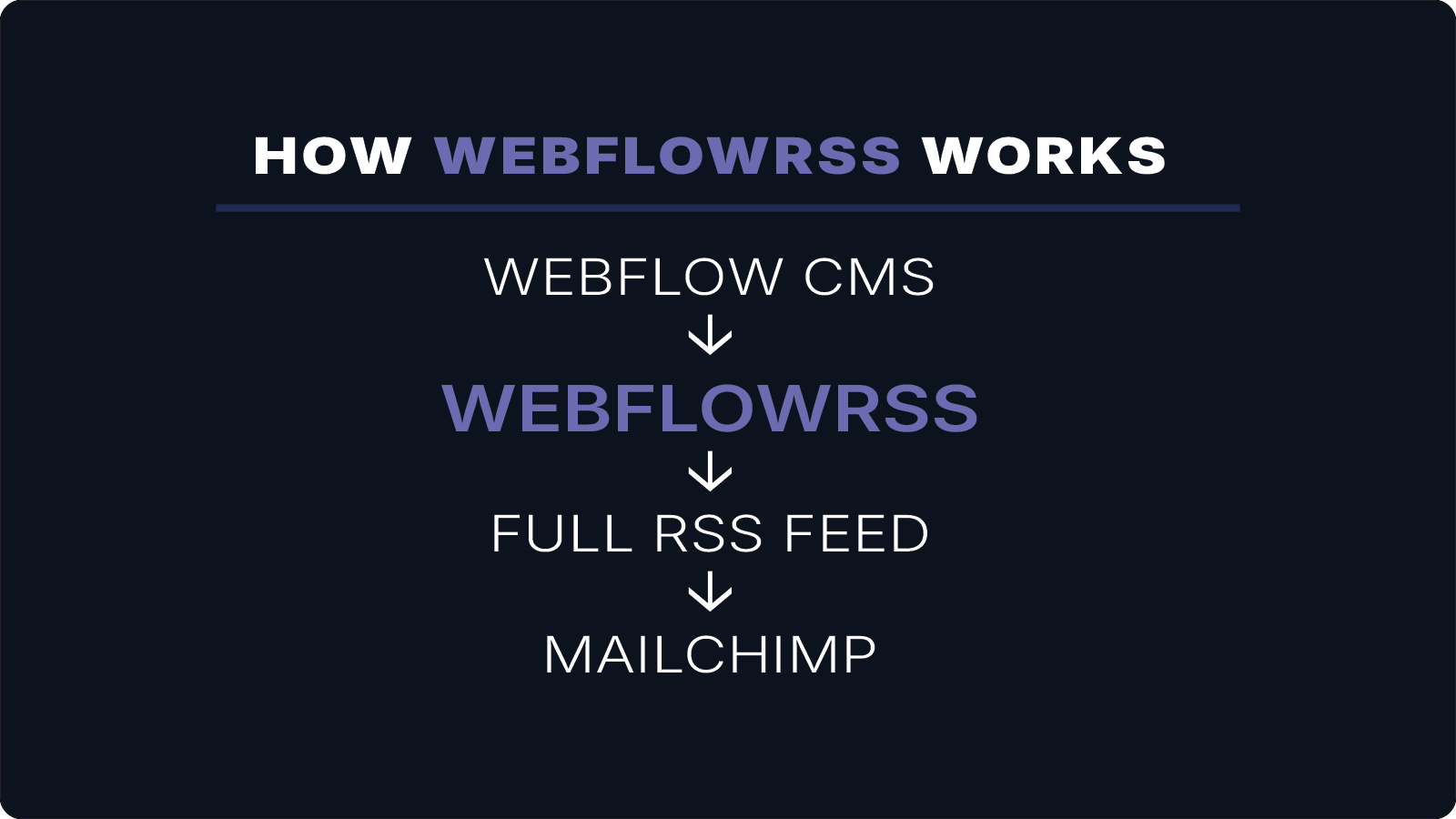
- Newsletter platforms
Instead of manually copying and republishing content across multiple destinations, an RSS feed allows content to be distributed automatically whenever a new article is published.
Why Content Syndication Can Be Difficult with Webflow
Webflow includes RSS feeds for CMS collections, but many organizations quickly discover a limitation.
The native RSS feed typically includes:
- Article title
- Summary or excerpt
- Link to the original article
For some use cases, this is enough.
For content syndication, however, many platforms require access to the complete article content, including:
- Full article body
- Rich text formatting
- Headings
- Images
- Structured content
Without access to the full article, syndication workflows often become incomplete or require additional tools and manual workarounds.
Why Full-Content RSS Matters
Imagine a cybersecurity company publishing technical articles in Webflow.
Their content may need to appear on:
- Partner websites
- Customer portals
- Industry resource centers
- Internal knowledge systems
If the RSS feed only provides a title and summary, those systems receive only a preview of the content.
A full-content RSS feed allows the destination platform to access the complete article automatically.
Instead of distributing excerpts, organizations can distribute the full content experience.
Common Content Syndication Workflows
Partner Websites
Organizations often share content with strategic partners.
Webflow CMS
↓
Full-Content RSS Feed
↓
Partner Website
As new articles are published, partner sites can automatically display updated content.
Industry Content Networks
Many industries operate content hubs that aggregate content from multiple publishers.
Webflow CMS
↓
Full-Content RSS Feed
↓
Industry Portal
This allows organizations to extend the reach of their content without manually submitting articles each time.
Mobile Applications
Apps frequently use RSS feeds as a content source.
Webflow CMS
↓
Full-Content RSS Feed
↓
Mobile App
Articles, announcements, and updates can be delivered automatically whenever new content is published.
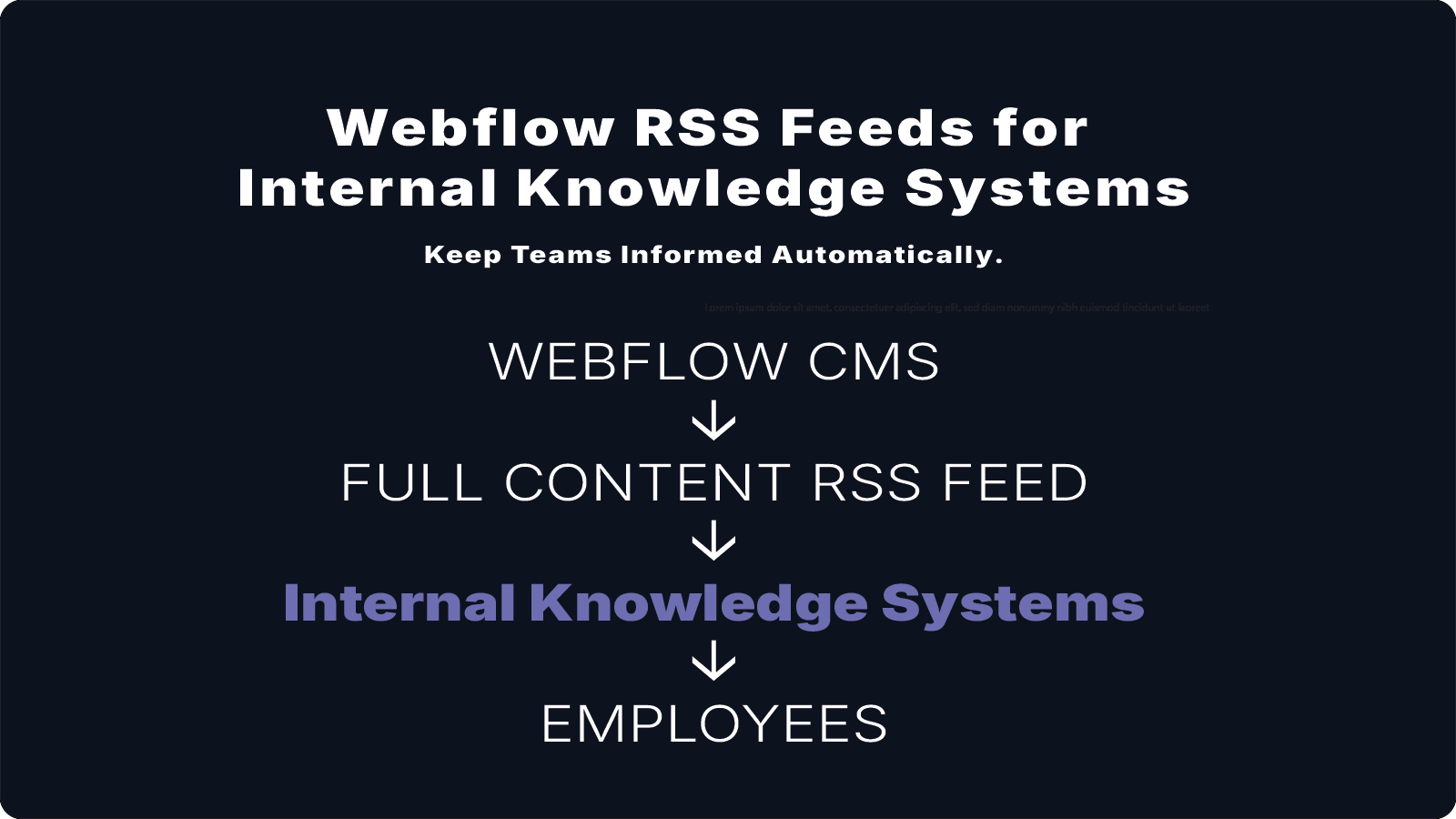
Internal Knowledge Systems
Organizations often want content available beyond their public website.
Webflow CMS
↓
Full-Content RSS Feed
↓
Knowledge Base
↓
Employees
This helps keep internal resources synchronized with published content.
Benefits of RSS-Based Content Syndication
Using a full-content RSS feed for syndication can help organizations:
- Reduce manual publishing work
- Maintain consistency across platforms
- Keep partner sites updated automatically
- Extend the reach of published content
- Eliminate duplicate workflows
- Create a single source of truth for content
Content is published once and distributed wherever it needs to go.
I'll walk you through the exact setup.
15–30 min • No commitment.
How WebflowRSS Helps
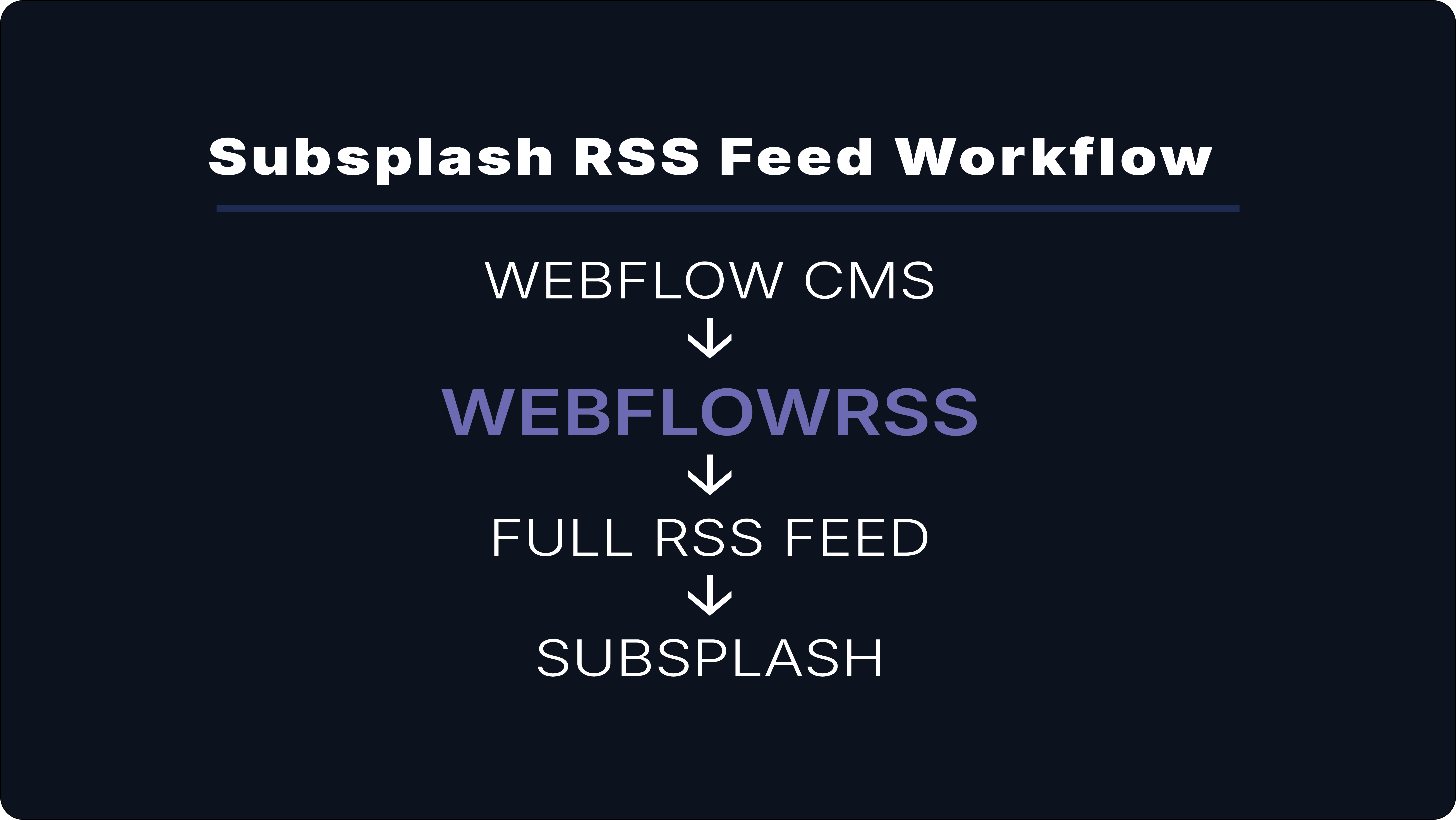
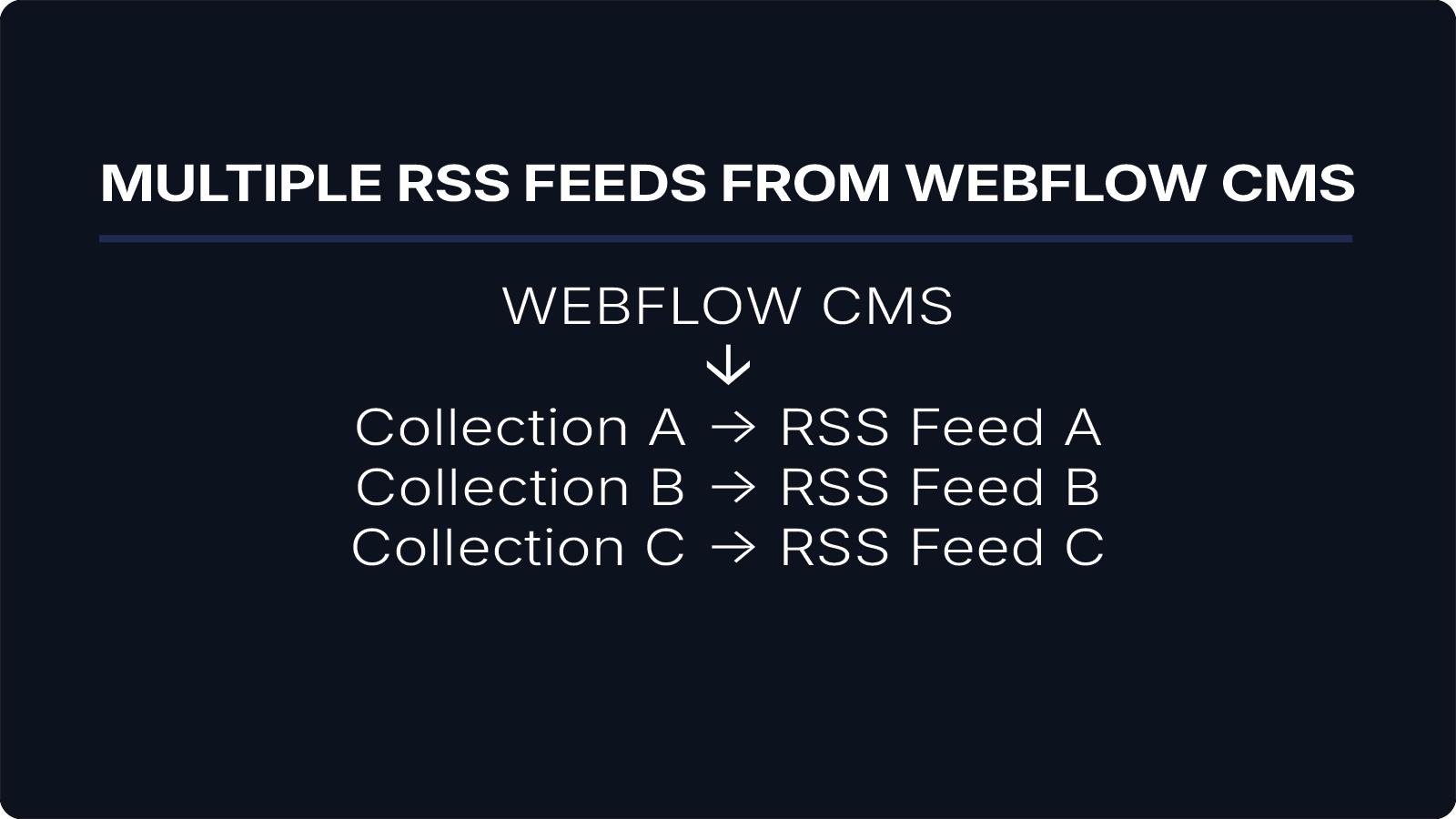
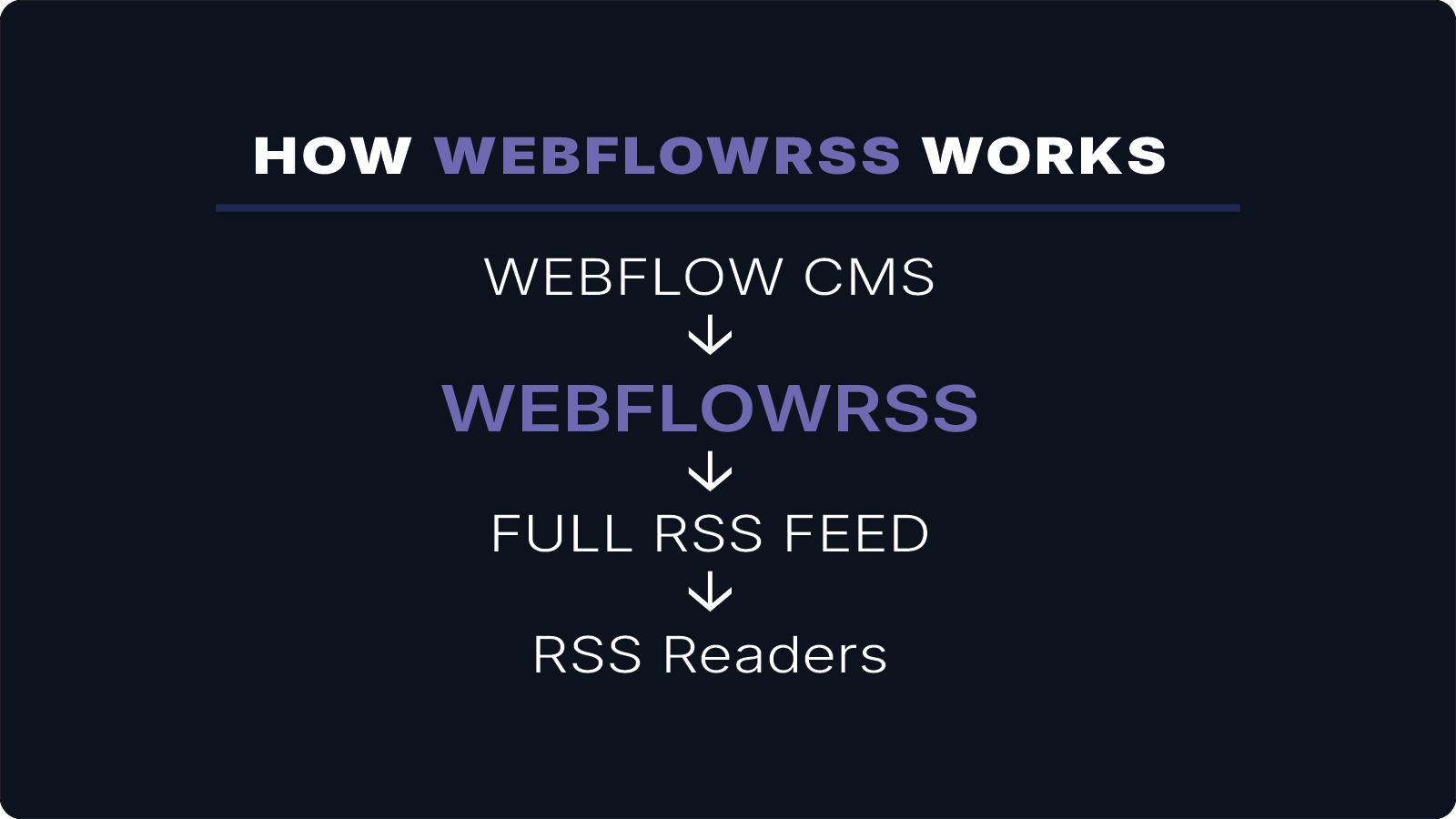
WebflowRSS generates full-content RSS feeds from Webflow CMS collections.
Instead of syndicating only titles and summaries, organizations can distribute complete articles with formatting and content intact.
This makes WebflowRSS useful for content syndication workflows involving:
- Partner websites
- Industry portals
- Mobile applications
- Internal knowledge systems
- Content aggregators
- Content distribution networks
Conclusion
As organizations grow their content operations, publishing to a single website is often no longer enough.
Content syndication allows valuable content to reach additional platforms, audiences, and systems without creating extra publishing work.
For Webflow users, a full-content RSS feed makes that process significantly easier by allowing content to move automatically from Webflow to the destinations that depend on it.
With WebflowRSS, your Webflow CMS remains the single source of truth while your content is distributed wherever it needs to be.